A polished loan app, thousands of downloads, an “SEC registered” badge, or a fast approval message does not by itself prove that an online lender is authorized to offer loans in the Philippines. The more useful question is: Who is legally lending the money, does that company have the required authority, and is the digital platform properly connected […]
Category Archives: Reviews
18
Sep
Sep
A Zuki loan can look straightforward inside a mobile app, but the decision is not just about whether an application can be completed online. Filipino borrowers need to know who actually lends the money, how much cash reaches their account after deductions, how add-on interest changes the real cost, what happens when a payment is late, […]

18
Sep
Sep
Cash Mart is unusual among Philippine loan apps because the biggest question in 2026 is no longer simply, “How much can I borrow?” The more important question is whether the regulatory information displayed on its website and app stores still reflects its current authority to operate. Cash Mart’s official pages continue to identify Cash Mart Asia […]
Reviews
Crezu Loan Review 2026: Is It Legit, What Does It Really Cost, and What Should Filipino Borrowers Check?
18
Sep
Sep
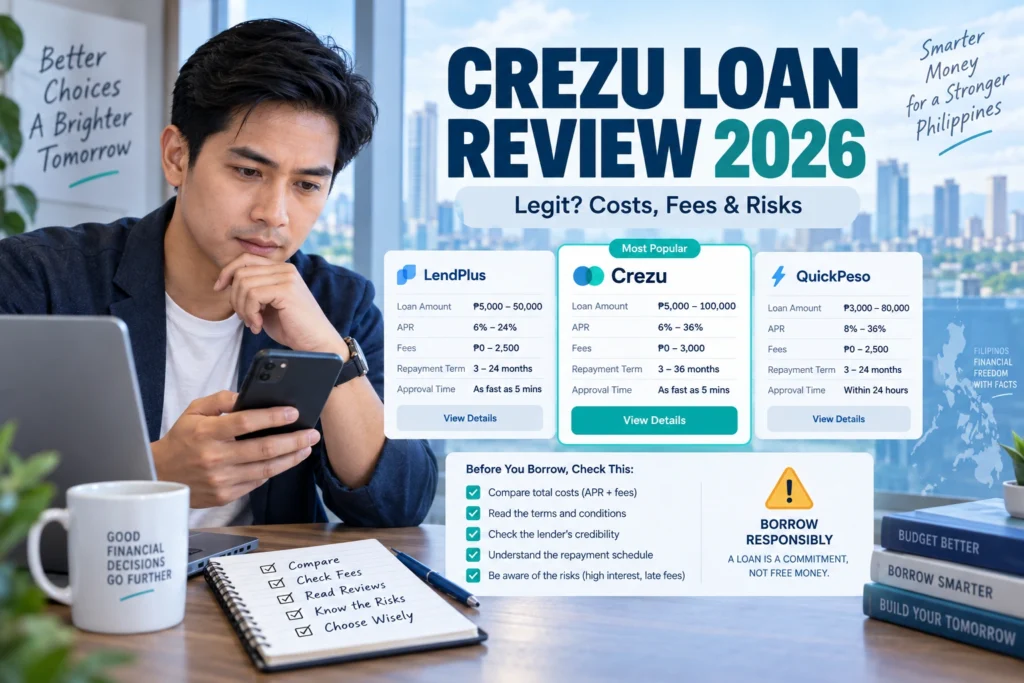
The most important fact about Crezu is easy to miss: Crezu is not the company lending you the money. Its Philippine website describes the service as a loan-matching platform that sends an application to third-party lenders or credit providers. That distinction affects almost every question a borrower should ask—from SEC authorization and interest charges to late […]
18
Sep
Sep
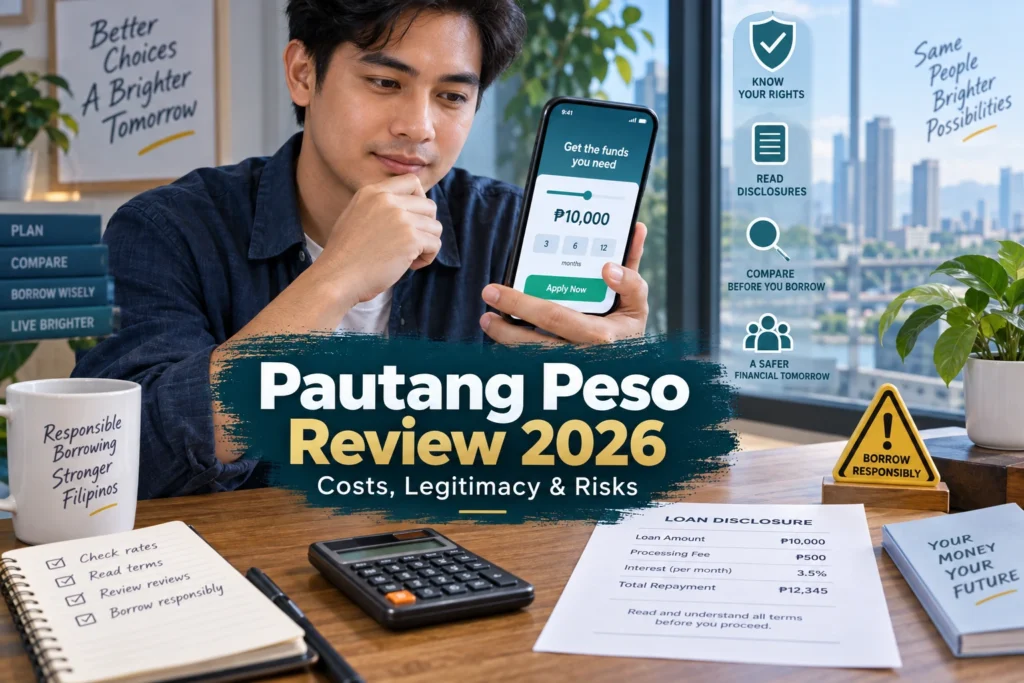
Pautang Peso is relatively easy to connect to an identifiable Philippine lending company. The harder question is whether the specific loan offer shown on your phone is transparent enough to accept. That distinction matters because the public record is mixed. SEC records connect Pautang Peso to LHL Online Lending, Inc., with SEC registration number CS201916699 and Certificate of […]
17
Sep
Sep
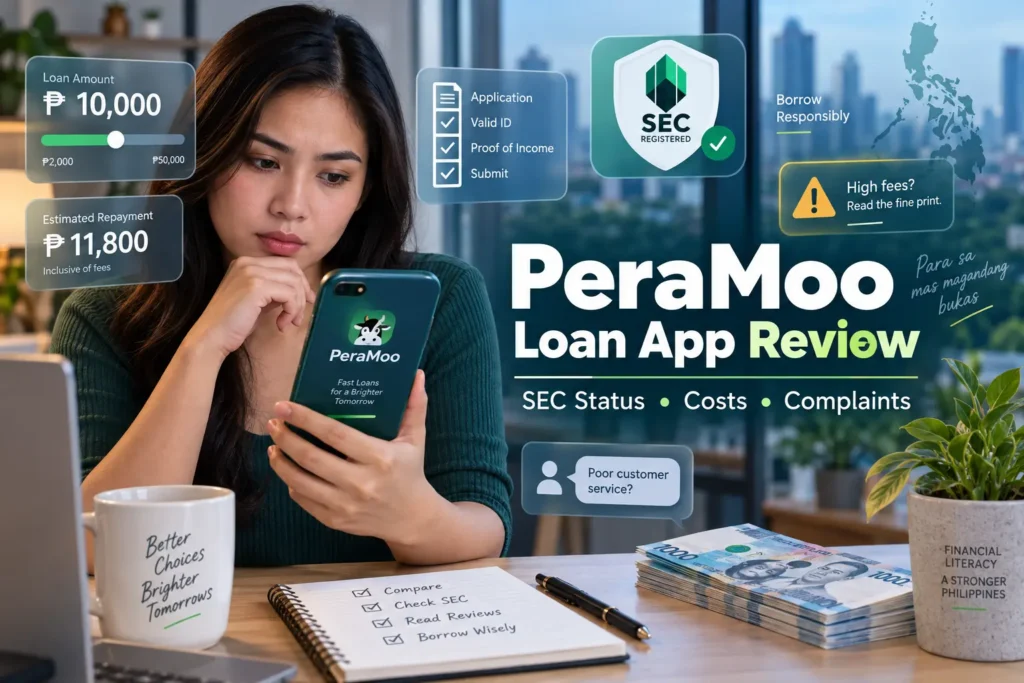
For a Filipino borrower considering PeraMoo, the most important question is not whether the app can release money quickly. It is whether the lender behind the app is identifiable, whether the loan terms shown before acceptance match the advertised terms, and whether the amount you receive is worth the amount you must repay. That distinction […]
Reviews
Moca Moca Loan App Review 2026: Is It Legit, What Does It Cost, and What Should Borrowers Check?

17
Sep
Sep
A loan app can be legally identifiable and still deserve careful scrutiny over pricing, collection practices, and personal-data use. That distinction matters especially for Moca Moca because its operator has a documented regulatory history: the SEC cancelled Copperstone Lending Inc.’s lending license in 2024, but the regulator later lifted, modified, or reversed the relevant penalty […]
17
Sep
Sep
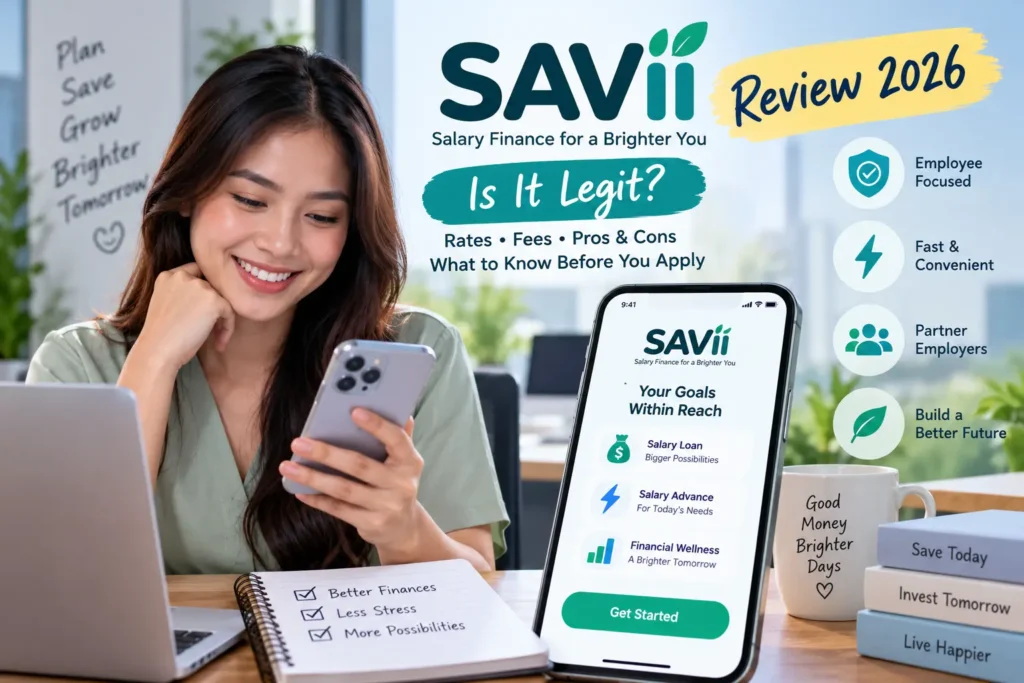
A salary-linked loan can look easier to manage than a typical online loan because repayment comes directly from payroll. That convenience, however, can hide the question that matters most: how much of every payday will actually disappear, for how long, and how much cash will you receive after fees? SAVii is particularly important to examine this […]
17
Sep
Sep
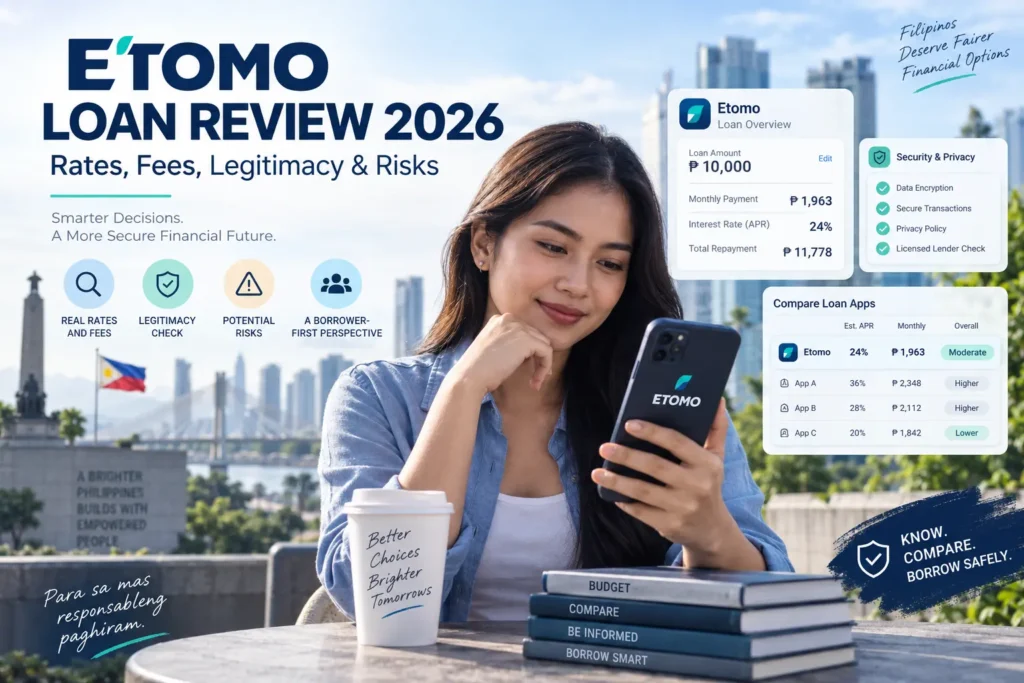
A loan app can advertise “no hidden charges” and still be expensive. That distinction matters with Etomo because its current published examples are unusually specific: the app shows both a revolving product and an installment loan, including interest figures and sample repayments. Those disclosures make it possible to examine the peso cost rather than judging […]
17
Sep
Sep
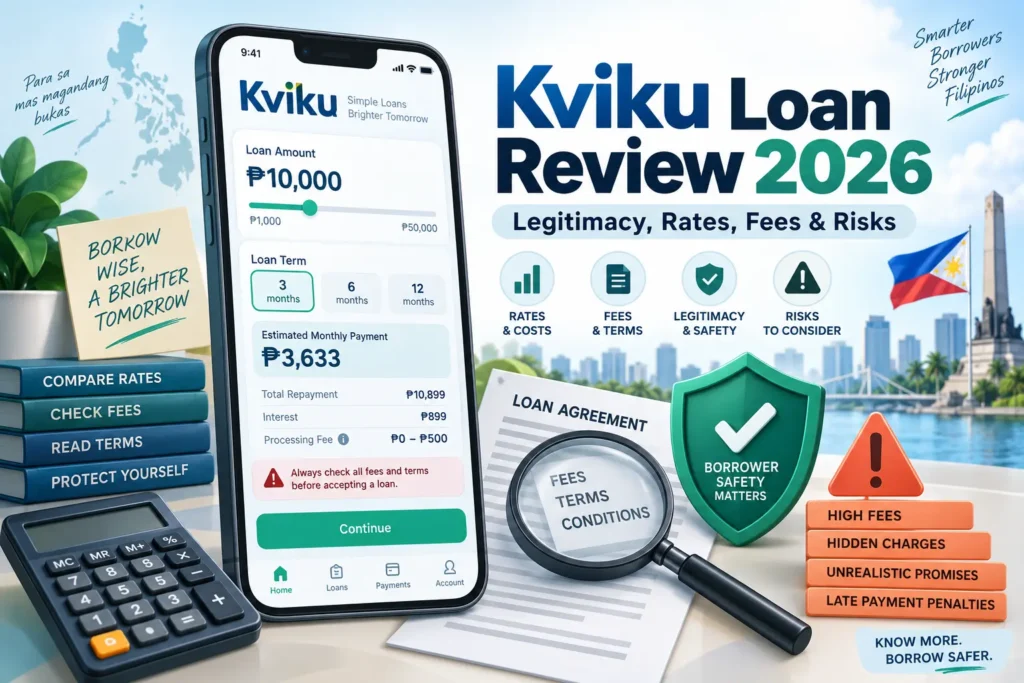
With Kviku, the difficult question is not simply whether the lender exists. The more important issue in 2026 is that Kviku’s own public channels currently publish materially different loan amounts, tenors, rates, and processing timelines. That makes the disclosure shown immediately before contract confirmation more important than any headline number on a website or app-store page. […]
- 1
- 2